








In early Greek civilization, drink was far more than sustenance—it was a vessel of ritual, identity, and divine connection. Fermented honey-based beverages, known as *mead*, held central place in sacred offerings and communal gatherings, symbolizing both nourishment and transcendence. These early fermented drinks emerged from rudimentary fermentation practices, where honey mixed with water underwent natural transformation, creating a potent, intoxicating elixir. This process mirrored the Greeks’ reverence for nature’s hidden powers, laying the groundwork for symbolic consumption that would endure for millennia.
The Cultural Significance of Drink in Early Greek Civilization
Drink in Ancient Greece was deeply interwoven with religious life and social cohesion. Referred to as *oinos*, wine and honey-based mead were offered to gods during feasts, symbolizing gratitude and communion. Unlike modern consumption, these beverages were sacred acts—meant to invoke divine presence and strengthen community bonds. The ritual of libation, pouring drinks as tribute, reflected a worldview where the physical and spiritual realms converged. This reverence set a lasting tone for how humans perceive drink not merely as refreshment, but as a ritual bridge.
Fermented Honey-Based Drinks as Ritual Offerings and Communal Symbols
Fermented honey drinks like mead served dual roles: sacred offerings and social glue. Temples often received libations of mead during festivals, believed to please deities and ensure fertility and prosperity. At banquets, shared cups of honey mead reinforced unity, with each sip a silent acknowledgment of shared fate and divine favor. The transformation of honey—nature’s sweet treasure—into a potent, altered beverage mirrored the Greek belief in transformation through ritual, where ordinary ingredients became sacred symbols.
How Early Fermentation Practices Laid the Foundation for Symbolic Consumption
Fermentation, though accidental in origin, was embraced as a sacred process. The natural rise of alcohol from honey was interpreted as a divine gift—mystery born from simplicity. This intuitive grasp of transformation laid the conceptual foundation for symbolic consumption: drinks as vessels of meaning beyond nourishment. Over time, these practices evolved from mere tradition to deeply encoded rituals, shaping how sacred beverages would influence art, mythology, and eventually, modern digital culture.
From Myth to Market: The Evolution of Ancient Drinks
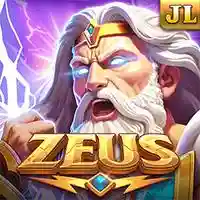
As Greek mythology matured, so did its drink-related traditions. Gods like Zeus, ruler of the skies and patron of oaths, became central figures in beverage lore—his name invoked to sanctify libations and slot machines alike. Religious icons transitioned into enduring symbols in entertainment, with Zeus emerging as a timeless emblem of power and blessing. Today, digital temples like Le Zeus embody this legacy, transforming ancient ritual into immersive modern gaming.
The Role of Gods Like Zeus in Shaping Beverage Traditions
Zeus’s dominion over divine oaths and cosmic order naturally extended to symbolic beverages. Ritual winners and community feasts mirrored the thrill of slot wins, where chance meets reverence. The idea of divine reward—echoed in myth—resonates deeply in modern gaming, where a high payout triggers not just excitement, but a psychological ritual of celebration and belief. This divine framework enriches the player experience, linking mechanics to meaning.
Le Zeus as a Modern Embodiment of Divine Legacy in Digital Form
Le Zeus, a pioneering slot game, reflects ancient principles through its design. Its 19 paylines—an odd prime number—echo early numerological traditions, where primes symbolized cosmic order and sacred balance. This deliberate structure mirrors the sacred geometry found in ancient temples and rituals, creating a game that feels both intuitive and profound. Numerical patterns aren’t random; they resonate with ritual structures that once guided communal ceremonies.
Mathematical and Symbolic Resonance in Le Zeus
The choice of 19 paylines in Le Zeus is intentional—a mathematical odd prime that avoids symmetry yet fosters unpredictability. This mirrors how ancient rituals balanced order and mystery, inviting players into a dynamic experience that mirrors the divine unpredictability of fate. Sacred geometry, long used to align physical spaces with cosmic principles, finds its digital counterpart in slot mechanics, where every line and payout pattern echoes ritual choreography.
The Significance of 19 Paylines—An Odd Prime Reflecting Ancient Numerology
Prime numbers held sacred meaning in ancient Greece, associated with indivisibility and the divine. Using 19 paylines—an odd prime—Le Zeus taps into this legacy, grounding the game in a numerological depth beyond random chance. This reflects how early cultures saw patterns as carriers of meaning, a concept now mirrored in complex slot algorithms designed to deliver thrilling, almost fateful outcomes.
Connection Between Sacred Geometry and Game Design in Slot Mechanics
Sacred geometry—the study of shapes and proportions believed to reflect universal harmony—finds a modern echo in Le Zeus’s layout. The placement of symbols, paylines, and bonus triggers often aligns with principles of balance and sacred proportion, creating a visual and experiential rhythm that feels intuitive and immersive. This design choice transforms the slot into more than entertainment—it becomes a ritual space where chance and intention intertwine.
How Numerical Patterns Echo Traditional Ritual Structures
Ancient rituals often followed structured sequences—offerings, chants, and timing—designed to invoke divine presence. Le Zeus mirrors this with its layered mechanics: multipliers, wilds, and bonus rounds unfold like ritual stages, each triggering a surge of excitement. The convergence of randomness and design creates a dopamine-driven experience rooted in timeless human patterns, where structure fuels both anticipation and reward.
Le Zeus as a Cultural Bridge: Ancient Ritual to Modern Gaming
Le Zeus bridges millennia by embedding ancient ritual logic into digital form. Its payline count, design motifs, and symbolic themes all echo Greek traditions—where drink, deity, and community met in shared ceremony. Today, players trigger wins not just for prize money, but for the emotional resonance of a mythic journey, where every payout feels like a modern libation to the gods of chance and fortune.
The 20,000x Maximum Win as a Metaphor for Divine Reward in Mythic Narratives
In Greek myth, divine rewards often come in staggering proportions—Achilles’ glory, Odysseus’ homecoming—reflecting the transformative power of favor. Le Zeus’s 20,000x payout mirrors this ancient ideal, turning a mechanical limit into a symbolic milestone. It represents not just monetary gain, but the fulfillment of a mythic narrative where skill, luck, and destiny align.
How Symbolic Elements Like “Zeus” Enrich Player Engagement Beyond Mechanics
Symbols like Zeus elevate gameplay from randomness to storytelling. Invoking a deity invites players into a mythic world, deepening emotional investment. This layered meaning transforms a slot machine into a narrative vessel, where each win echoes a legend and every bonus feels like a divine intervention—enriching experience beyond numbers and symbols.
The Hidden Legacy: How Ancient Drink Traditions Shape Digital Experience
Ancient Greek drink rituals—sacred, communal, transformative—live on in modern digital gaming. The thrill of the win, the ritual of waiting, and the symbolism of divine reward are all echoes of oikos and agora, now reimagined in apps and screens. Games like Le Zeus preserve these traditions, proving that mythic depth remains vital to human entertainment.
The Persistence of Mythic Storytelling in Modern Gambling Culture
From Dionysian feasts to slot gala nights, storytelling remains central to gambling. Games like Le Zeus don’t just offer chance—they invite players into evolving myths where each spin carries legacy. This continuity transforms gambling from mere play into participation in a timeless narrative tradition.
How Symbolic Elements Like “Zeus” Enrich Player Engagement Beyond Mechanics
Symbols like Zeus act as emotional anchors—evoking awe, hope, and reverence. They turn abstract mechanics into meaningful moments, deepening immersion and loyalty. This symbolic depth is not decoration; it’s the soul of cultural continuity in digital form.
The Broader Legacy of Greek Mythology in Global Entertainment and Gaming Design
Greek mythology’s themes—fate, transformation, divine reward—permeate modern media, from blockbuster films to slot machines. Le Zeus exemplifies how ancient wisdom shapes innovation, proving that the most enduring stories are those rooted in universal human experience. As digital culture evolves, the mythic blueprint remains its foundation.
| Key Legacy of Ancient Drinks in Modern Gaming | Sacred rituals evolved into structured gameplay mechanics |
|---|---|
| Symbolic deities as player motivators | Zeus, Dionysus, and Athena inspire emotional engagement and narrative depth |
| Numerical symbolism and sacred geometry | Odd primes, balanced layouts, and ritual pacing enhance player experience |
| Ritual transformation mirrored in digital rewards | Random chance framed as divine favor, echoing ancient libations |
“The drink that once bound gods and mortals now binds generations through code, reminding us that some rituals—like a well-designed slot—are timeless.”
“In every payline, in every win, lies a whisper of antiquity—proof that meaning transcends time.”
- Ancient fermented beverages like mead were sacred acts, embodying transformation and divine connection.
- Gods such as Zeus evolved into enduring symbols, bridging myth and modern gaming icons.
- Numerical patterns like 19 paylines reflect sacred geometry, embedding ritual order into slot mechanics.
- Digital games recreate ritual structures—anticipation, offering, reward—reviving ancient ceremonial flow.